You do not need to know what to do with your hands, how to angle your chin, or how to make a “sexy face” before a boudoir session. In fact, that is exactly why this guide to posing without experience exists: the most beautiful images are not created by asking you to perform. They are created by giving you clear, gentle direction while you settle into being seen.
Many women arrive convinced they will be awkward. They worry they are not photogenic, they have never worn lingerie like this, or their body has changed since the last time they felt fully at home in it. Those feelings are real, new friend. They are also not a reason to wait. Your photographer’s job is to guide you through every expression, curve, breath, and tiny adjustment that brings an image to life.
Why posing is not a test you have to pass
Professional-looking boudoir images can make posing seem mysterious. You may see a photograph with a relaxed shoulder, a beautiful curve through the waist, and eyes that look calm and confident, then assume the woman in it knew exactly what she was doing. Usually, she did not. She was directed.
Good posing is a conversation, not a command to “be natural.” A photographer may ask you to roll one shoulder forward, lengthen through your neck, move a knee an inch, soften your mouth, or breathe out slowly. Each small instruction builds on the last. What looks effortless in the final photograph is often a carefully shaped collection of tiny choices.
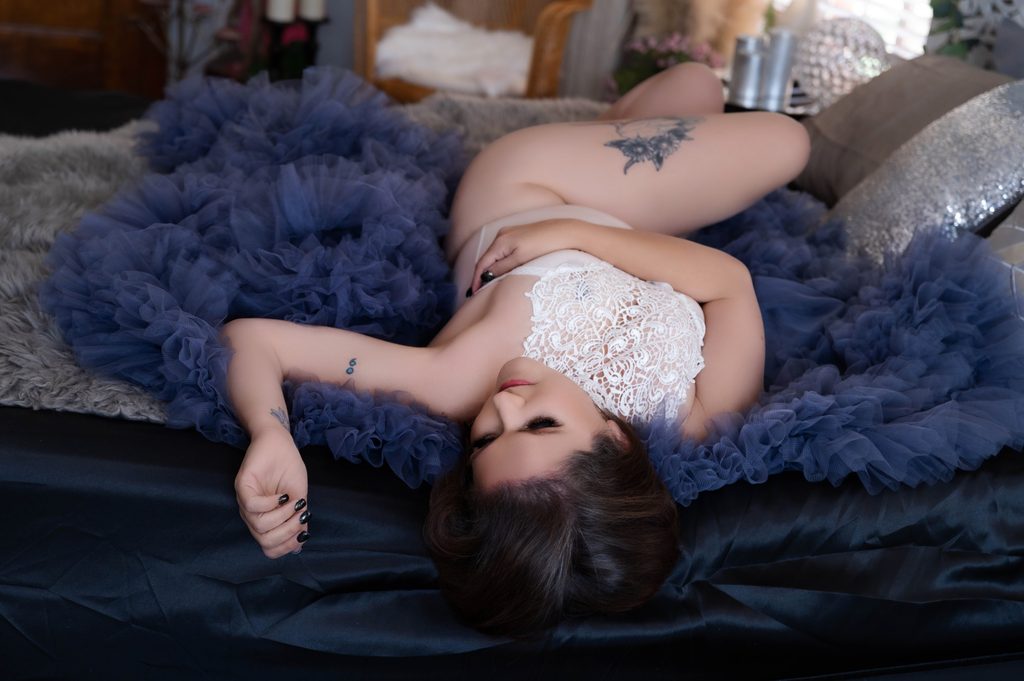
This is especially true in boudoir photography. The goal is not to squeeze yourself into one narrow idea of beauty. It is to create lines, light, movement, and expression that honor the woman in front of the camera. Your body does not have to earn flattering posing. It simply needs support from someone who knows how to photograph it well.
Your guide to posing without experience: what actually happens
The thought of posing is often scarier than posing itself because your mind fills in the blanks. A guided experience removes those blanks before you ever step in front of the camera.
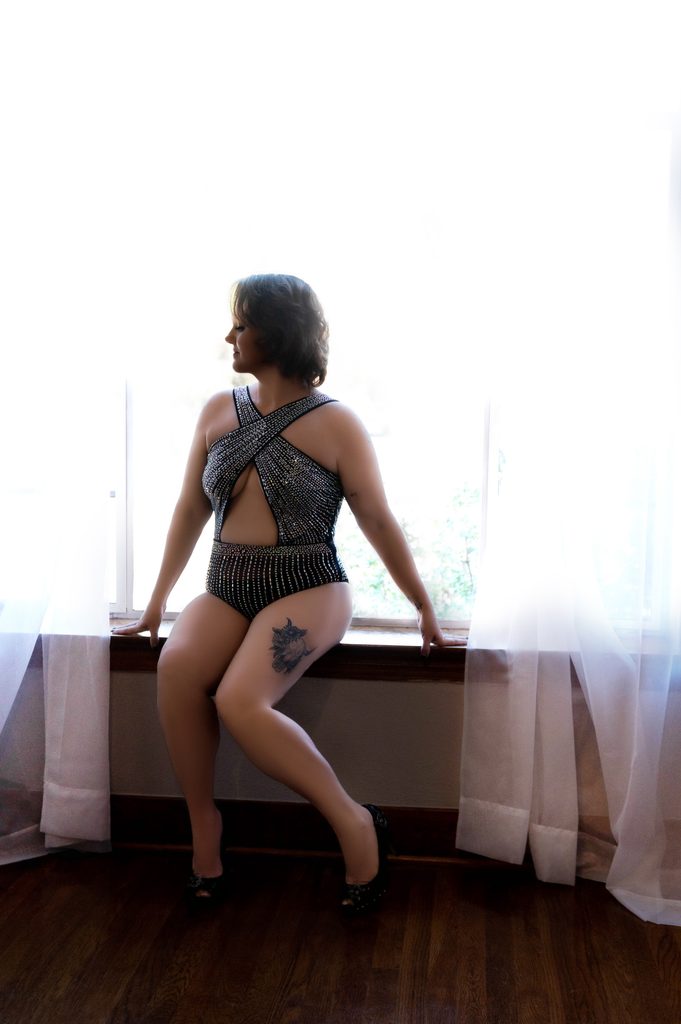
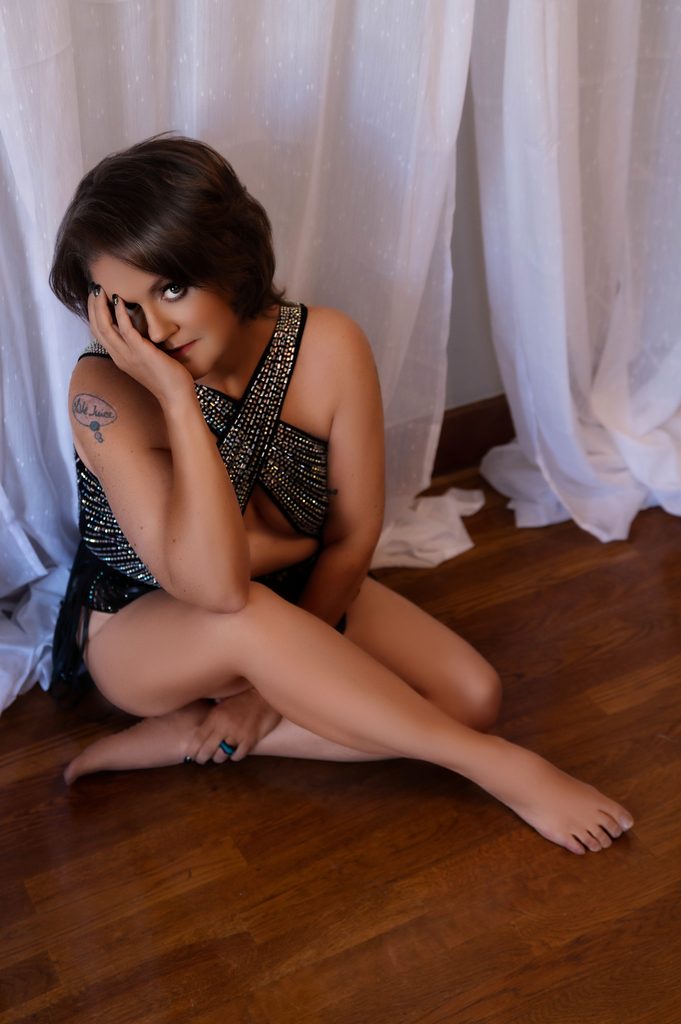
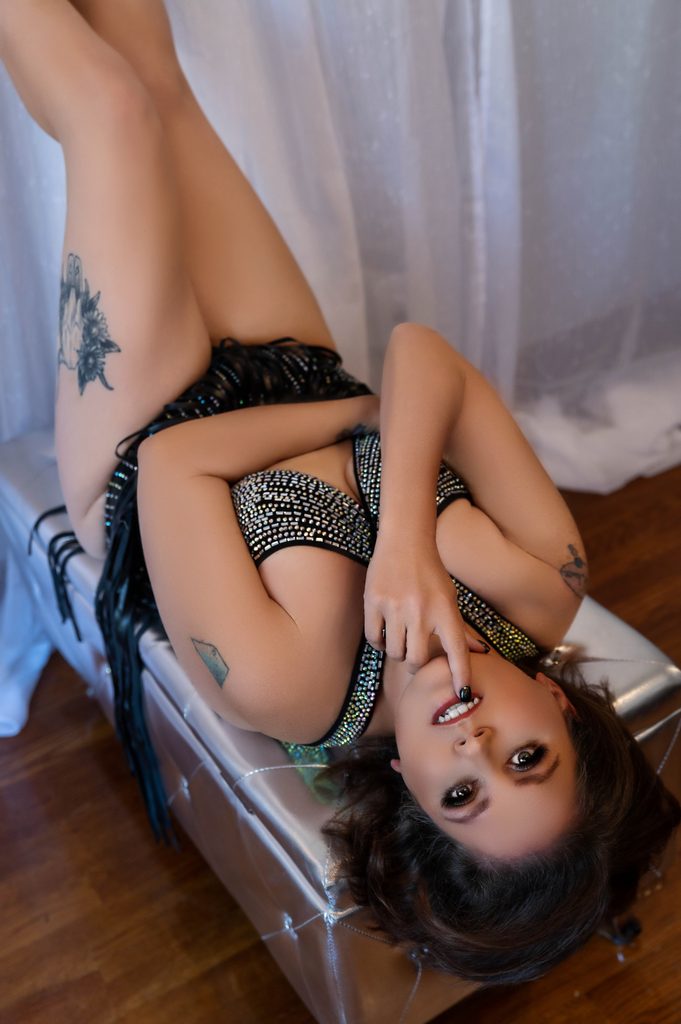
You begin with preparation, not pressure
A full boudoir experience should not start with a camera pointed at you the moment you walk in. Time spent talking, getting your hair and makeup done, looking through wardrobe options, and becoming comfortable in the private studio matters. It gives you a chance to exhale.
Professional hair and makeup are not about turning you into someone else. They help polish the version of you who is already there and help your features read beautifully on camera. The client closet can also take some pressure off if choosing outfits has felt overwhelming. You do not need to arrive with a perfectly planned suitcase or a background in styling.
You are shown, then coached
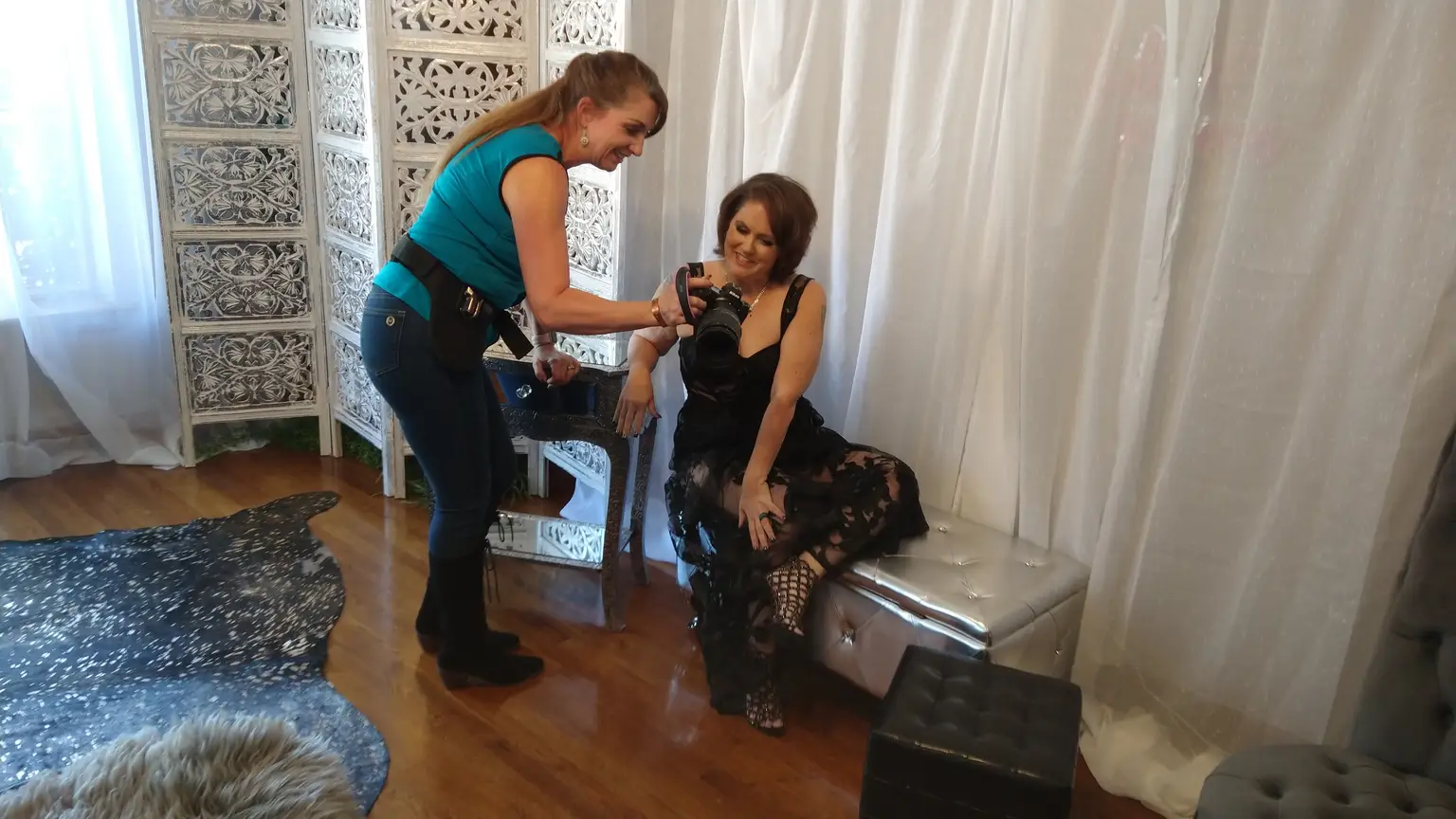
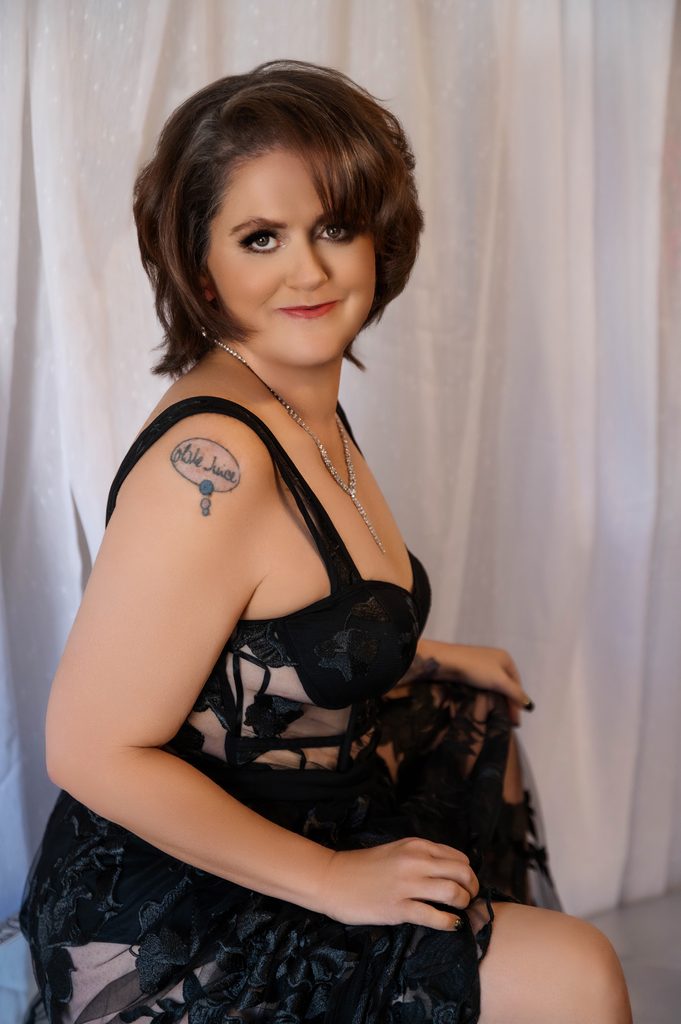
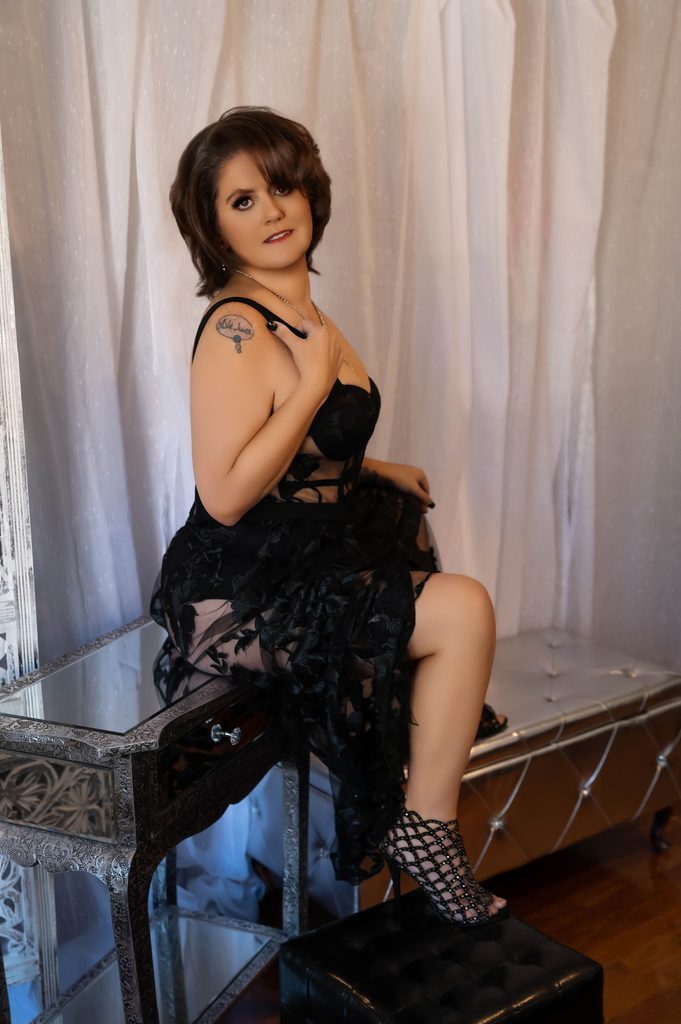
The strongest direction is specific and doable. Rather than hearing “pose,” you should hear guidance such as, “Sit here, lean back a little, point this toe, and let your hand rest softly on your thigh.” Your photographer may demonstrate a position herself or show you where to place a hand.
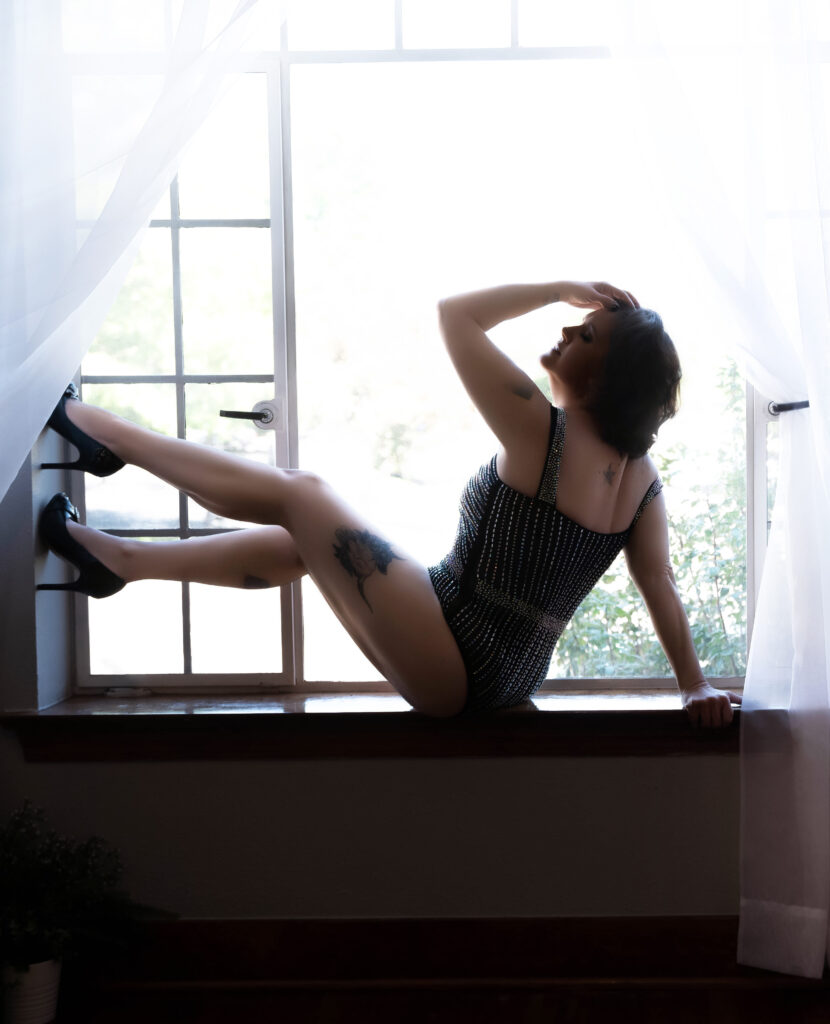
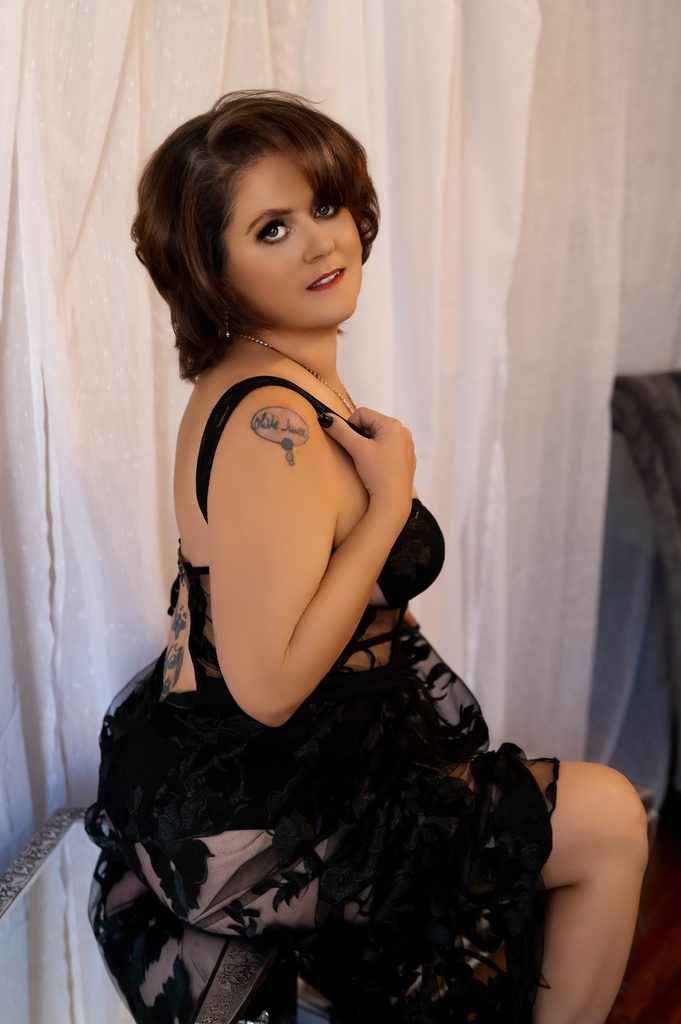
Then comes the refinement. Turn your face slightly toward the light. Drop the shoulder closest to the camera. Arch only as much as feels comfortable. Look at the window, then look past the camera. These details are where experience behind the lens matters. You are not expected to remember them all. You only need to respond to one instruction at a time.
Your comfort directs the pace
There is a difference between a stretch that creates a lovely line and a position that hurts. You should never have to push through pain, dizziness, or a feeling of exposure that is too much for you. Speak up. A seasoned photographer can modify a pose, change the setup, offer a robe or break, and still create gorgeous images.
Some women love dramatic, editorial posing. Others want soft, covered, cozy images with an intimate feel. Neither choice is less valid. Your session can be sensual without being revealing, bold without being forced, and deeply personal without being overly serious.
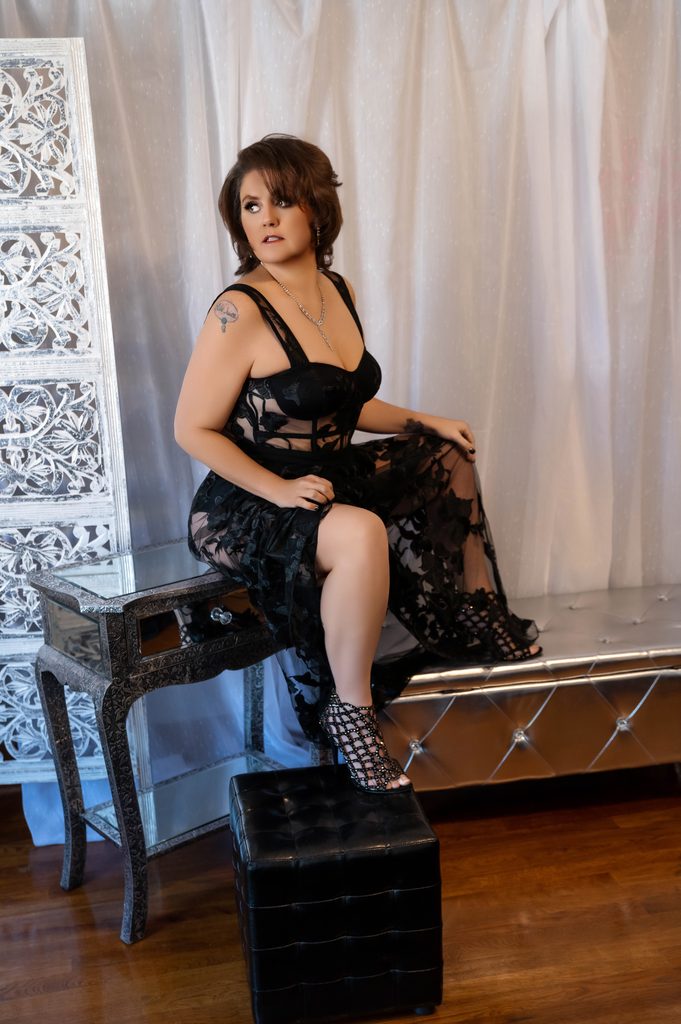
The small details that make photographs flattering
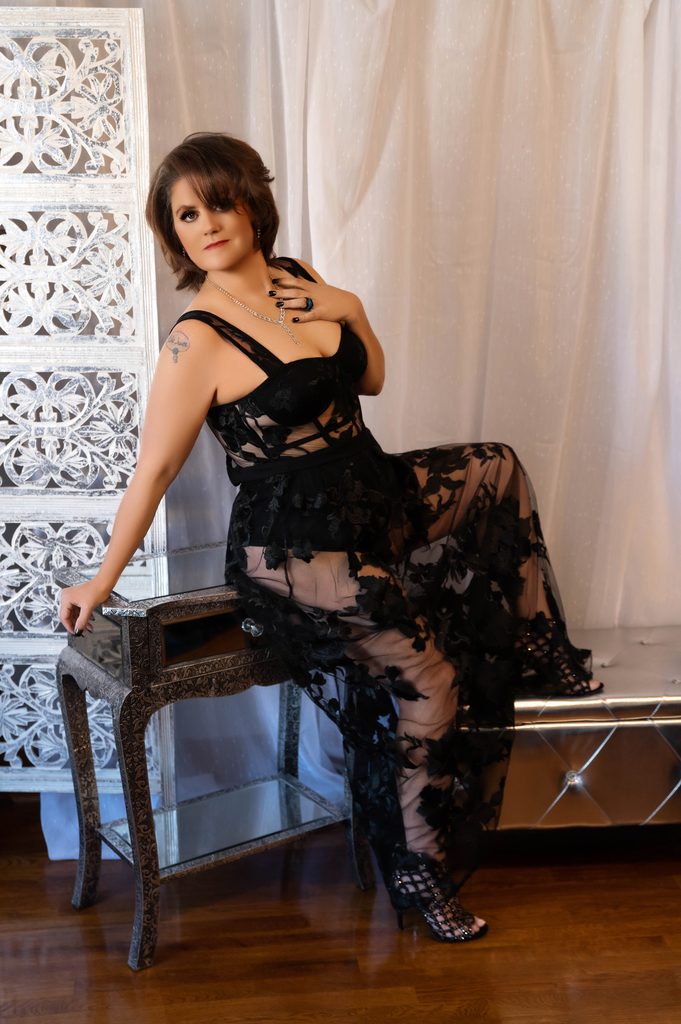
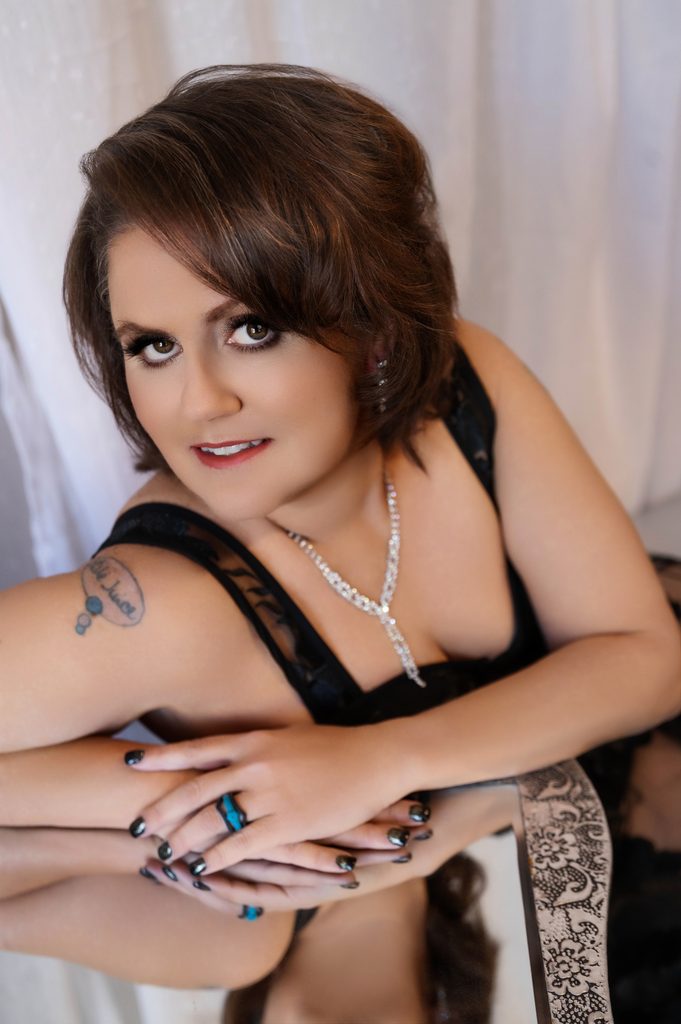
You do not need to memorize posing rules, but it helps to understand why tiny adjustments matter. Cameras flatten a three-dimensional body into a frame. Creating space between the arms and torso, shifting weight to one hip, extending a leg, or angling the face slightly can bring shape and dimension back into the image.
Hands are the concern almost everyone mentions. The secret is not to make them disappear. It is to give them a quiet purpose. They may trace your collarbone, hold a sheet, rest in your hair, gather fabric at your hip, or support you as you recline. Relaxed fingers photograph better than stiff ones, so your photographer may remind you to loosen them again and again. That is normal.
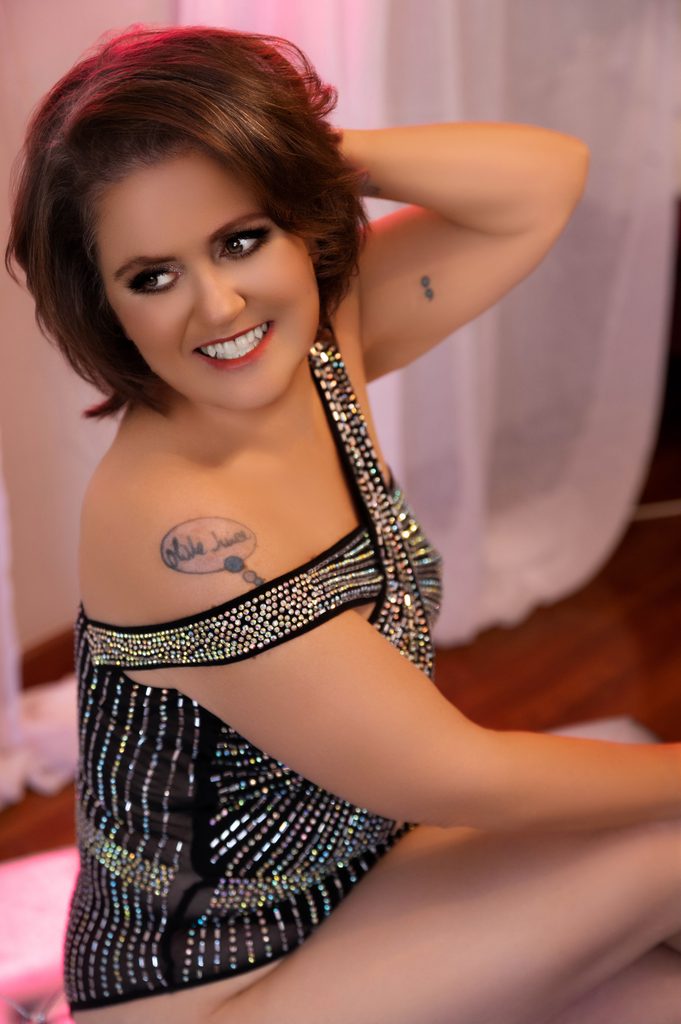
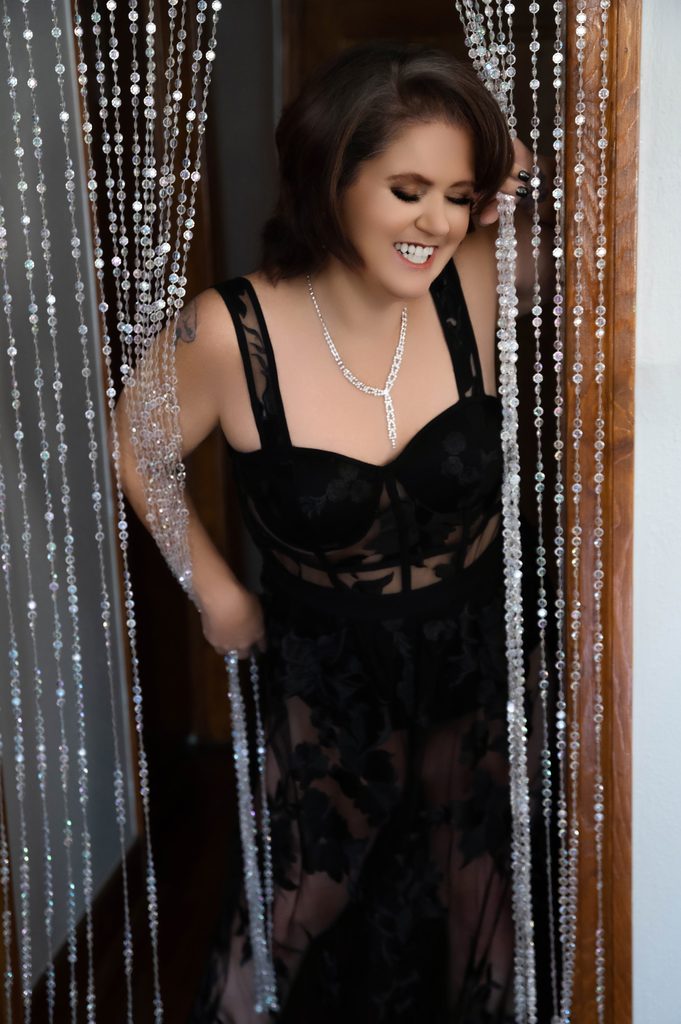
Expression works the same way. You do not need to hold a smoldering stare for an hour. Often, the best expression comes after a laugh, a deep breath, a moment with your eyes closed, or a prompt that brings you back to yourself. Sometimes you will look directly into the lens. Sometimes you will not. There is room for playful, powerful, tender, mysterious, and joyful.
What to do before your session
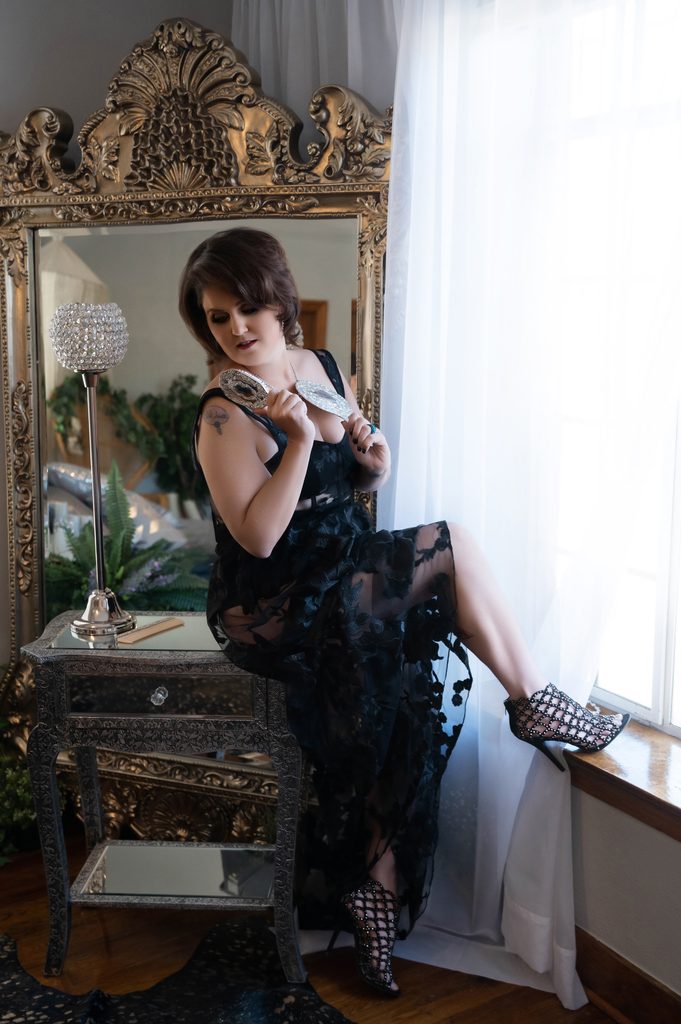
The best preparation is not practicing poses in a mirror until you feel exhausted. Mirror practice can make some women more self-conscious because they begin policing every angle. If it helps you feel prepared, try a few simple things: notice how it feels to relax your shoulders, take slow breaths, and move gently rather than freezing when attention is on you.
More importantly, arrive willing to be guided. Tell your photographer what feels vulnerable. Maybe you are nervous about your stomach, your arms, scars, your face in profile, or being photographed after motherhood or menopause. Naming the worry gives your photographer useful information. It does not make you difficult or vain. It makes the experience more personal.
Wear clothing that will not leave deep marks immediately before your session if you can, drink water, and plan to give yourself enough time that you are not rushing through the door. But do not mistake preparation for a requirement to become “camera ready” on your own. You are coming to be cared for and photographed, not evaluated.
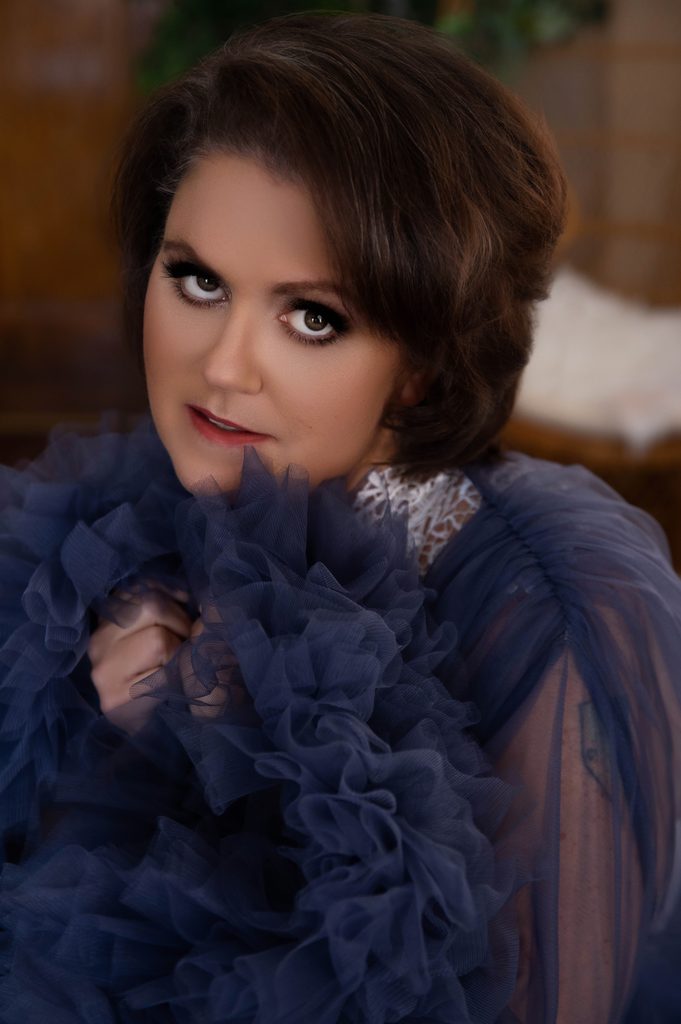
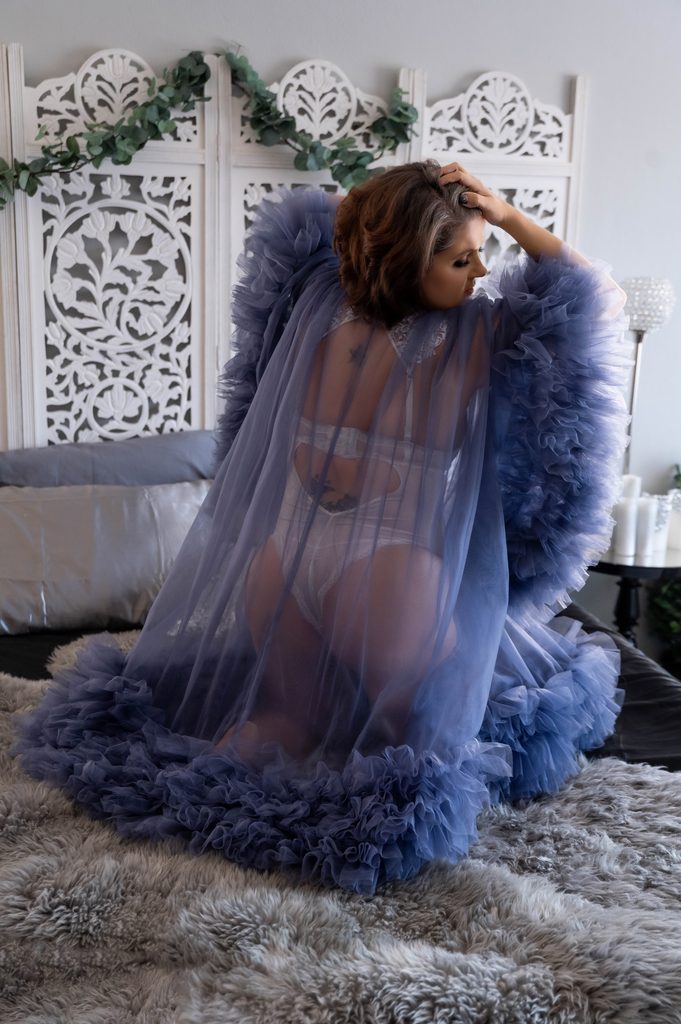
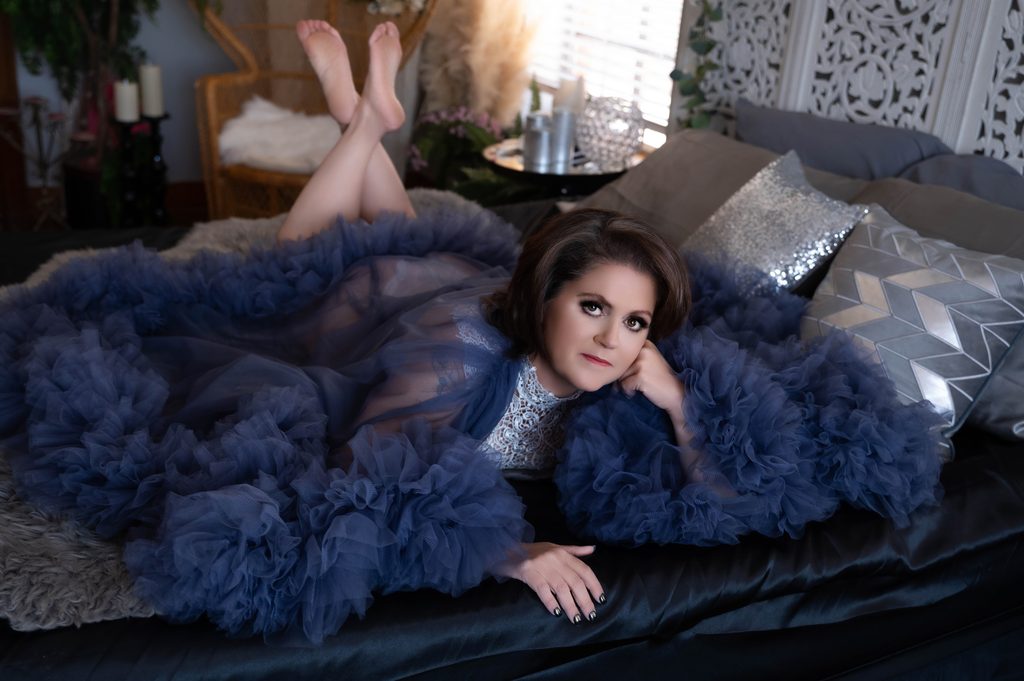
Let go of the idea of doing it perfectly
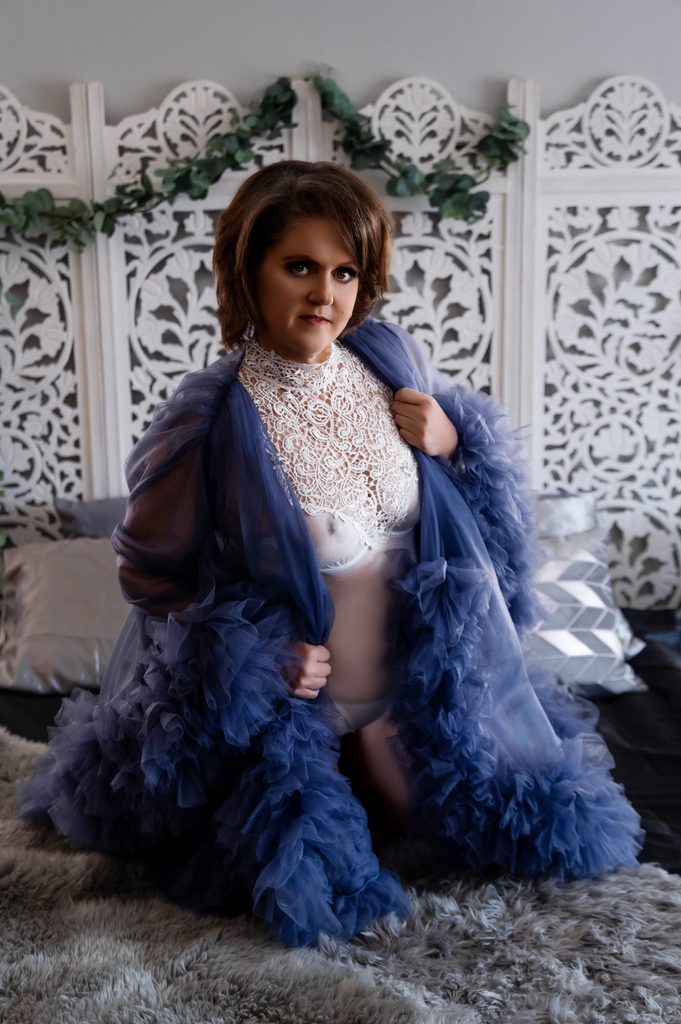
There will probably be a few moments when you feel silly. Nearly every woman does, including women who look completely composed in their finished images. A lifted hip can feel dramatic. A subtle chin adjustment can feel strange. The camera sees shapes differently than you do in the mirror, and that is why trusting the process matters.
Try not to judge each pose while you are in it. Your job is not to decide whether every frame is beautiful. Your job is to stay present long enough to let the direction work. When you see your images at the reveal, you may be surprised by the woman looking back at you: soft where you thought you looked tense, powerful where you felt nervous, and undeniably beautiful in a body you may have spent too long criticizing.
At Sierra Elegance Photography, Sue’s decades behind the camera mean you will not be left wondering what comes next. You will be coached from the first pose to the last, with room to laugh, reset, and find the version of sexy that feels like yours. No modeling background required. Just bring the woman you are right now.
You do not have to wait until you are more confident to book the photographs that remind you of your confidence. Sometimes the brave thing is simply showing up, taking the next gentle direction, and allowing yourself to see the sexy bad-ass who has been there all along.
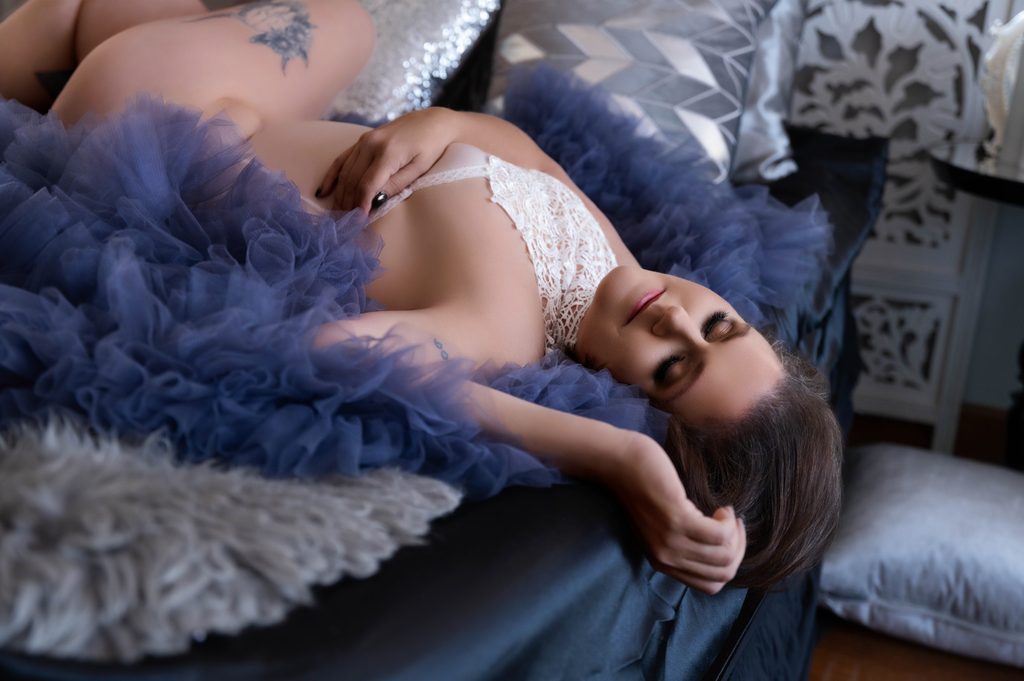
***Client chose to wear all of her outfits consisting of studio closet pieces. Please mention to us if you’d love to wear something you see here!